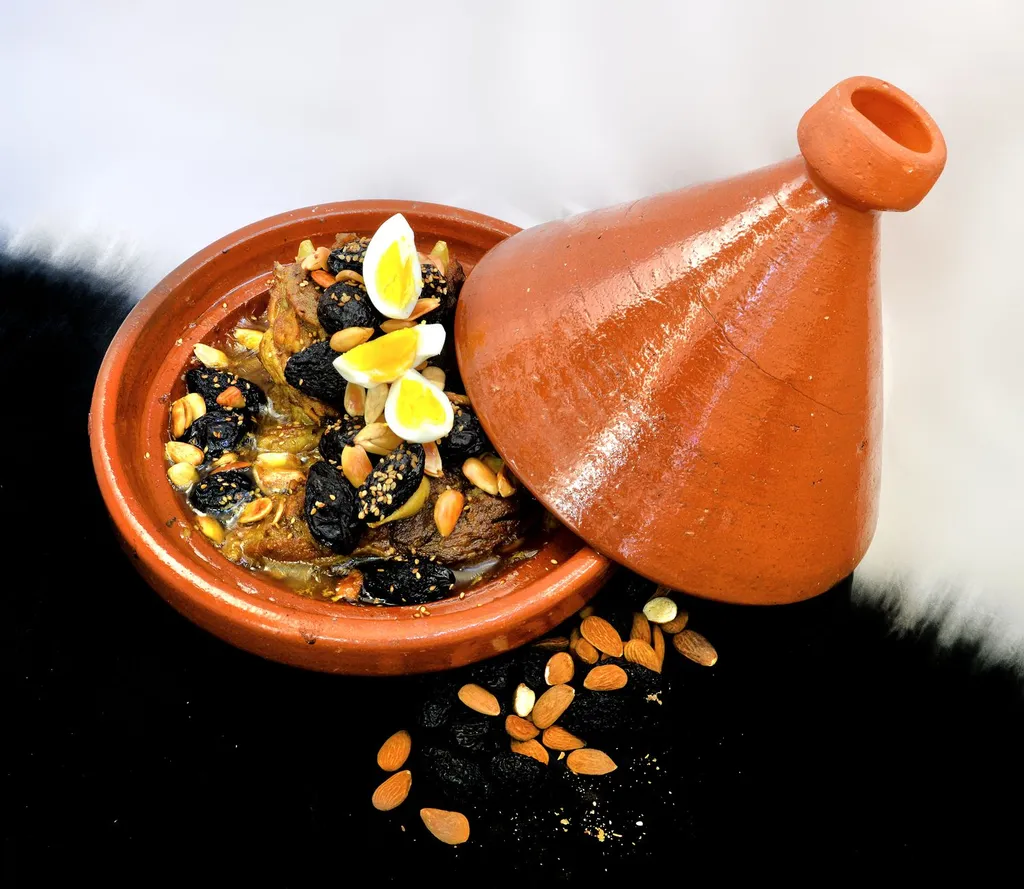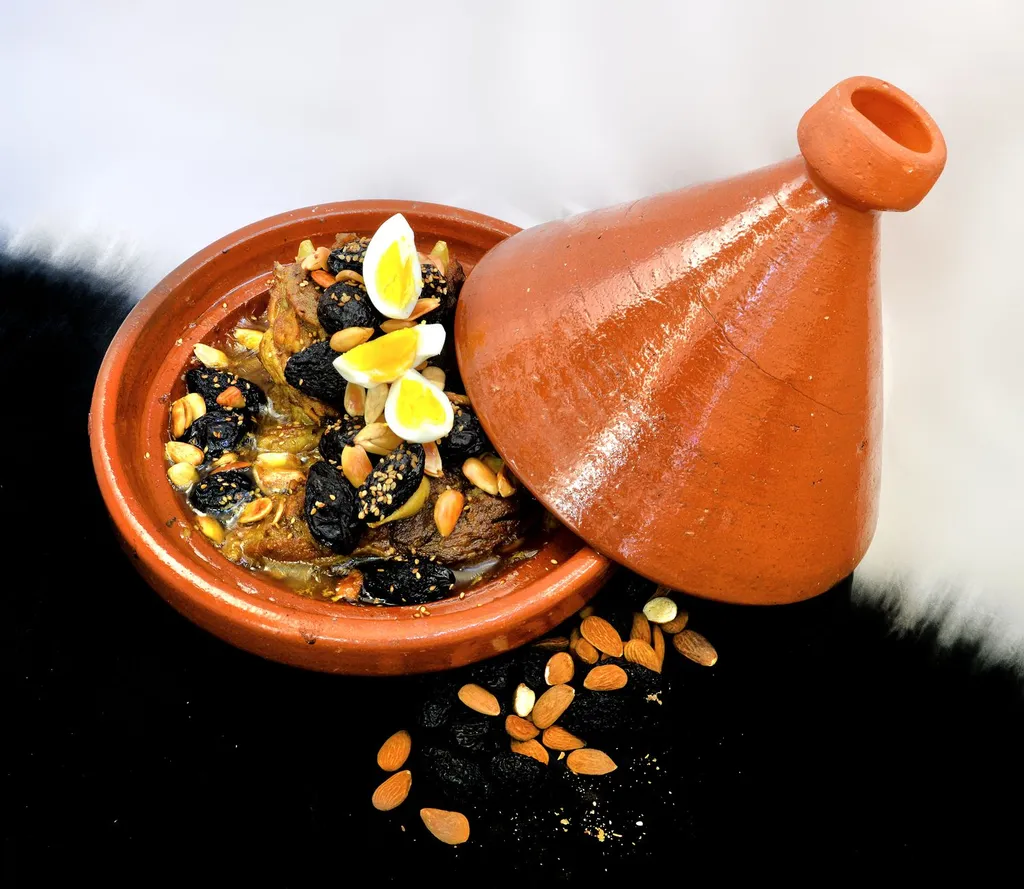
Tagine de Frango com Limões em Conserva e Azeitonas
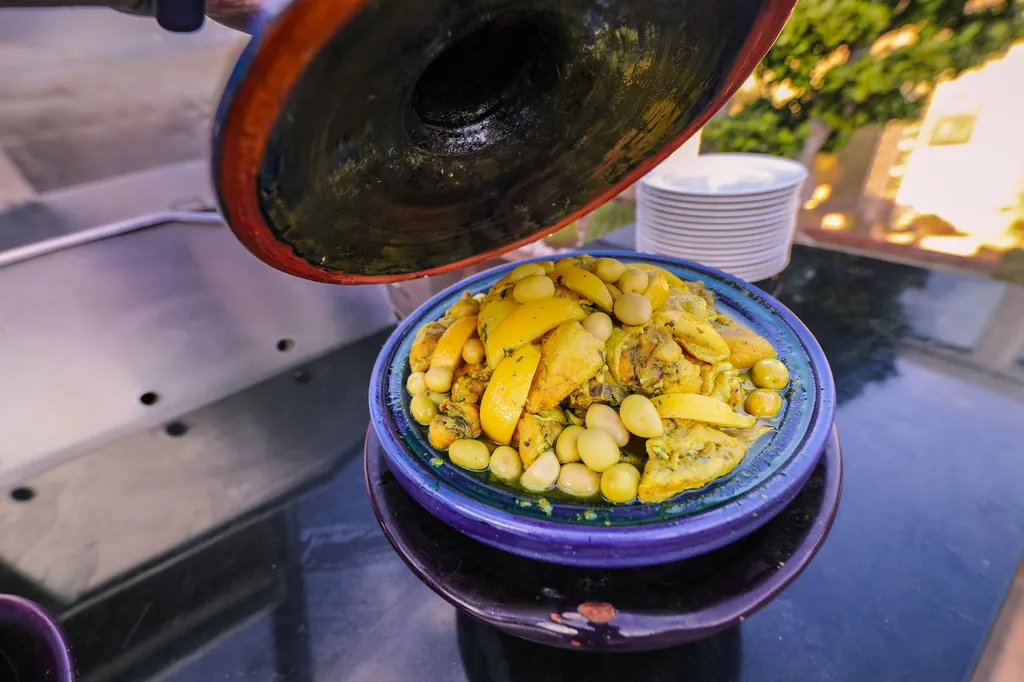
Tagine marroquino clássico com frango tenro, limões em conserva, azeitonas verdes e açafrão. O prato mais emblemático de Marrocos.
80 min4 doses
Receitas marroquinas de Meknès
Cozinha Marroquina de Meknès
Bem-vindo ao Sweet4All — uma coleção de receitas marroquinas transmitidas através de gerações. Da cidade imperial de Meknès, partilho os pratos que fazem parte da minha família há décadas, modernizados para as cozinhas de hoje sem perderem a sua alma.
O Sweet4All é mais do que uma coleção de receitas. É uma viagem pela herança culinária de Marrocos, com pratos desenvolvidos e documentados com cuidado na nossa cozinha em Meknès.
Pratos tradicionais marroquinos, de tagines a cuscuz, cada um com instruções detalhadas passo a passo e histórias pessoais da nossa cozinha em Meknès.
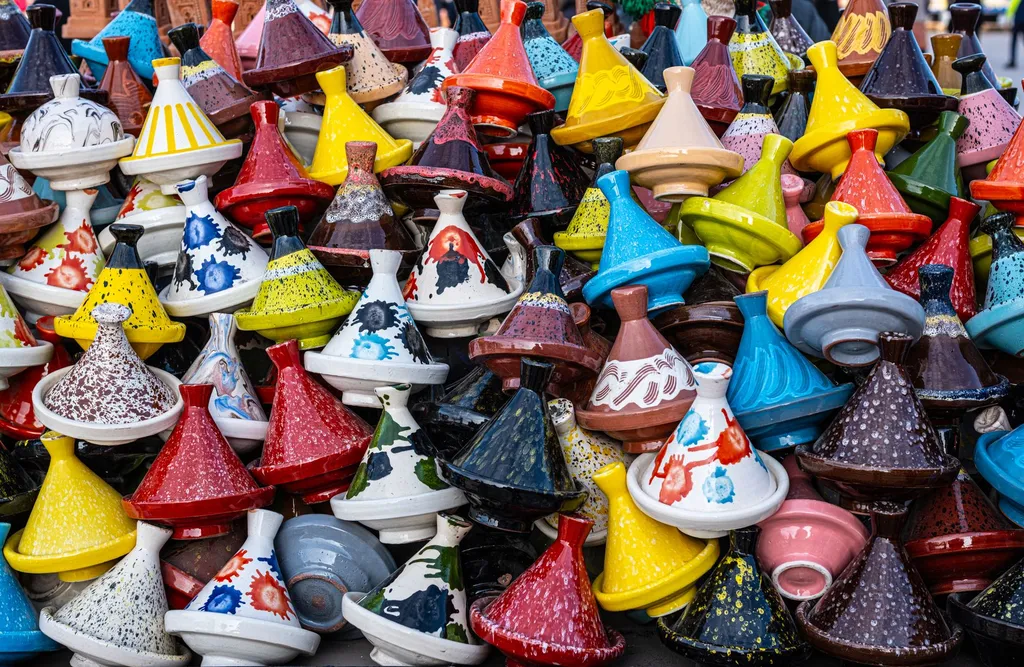
Aprenda os fundamentos da culinária marroquina — desde usar uma panela de tagine até compreender as especiarias essenciais e as técnicas tradicionais.
As receitas incluem a história por detrás delas — tradições de família, memórias de Meknès e as pessoas que me ensinaram a cozinhar.
Descubra 176 receitas marroquinas em 11 categorias
Favoritas escolhidas a dedo da nossa cozinha
Tagine marroquino clássico com frango tenro, limões em conserva, azeitonas verdes e açafrão. O prato mais emblemático de Marrocos.
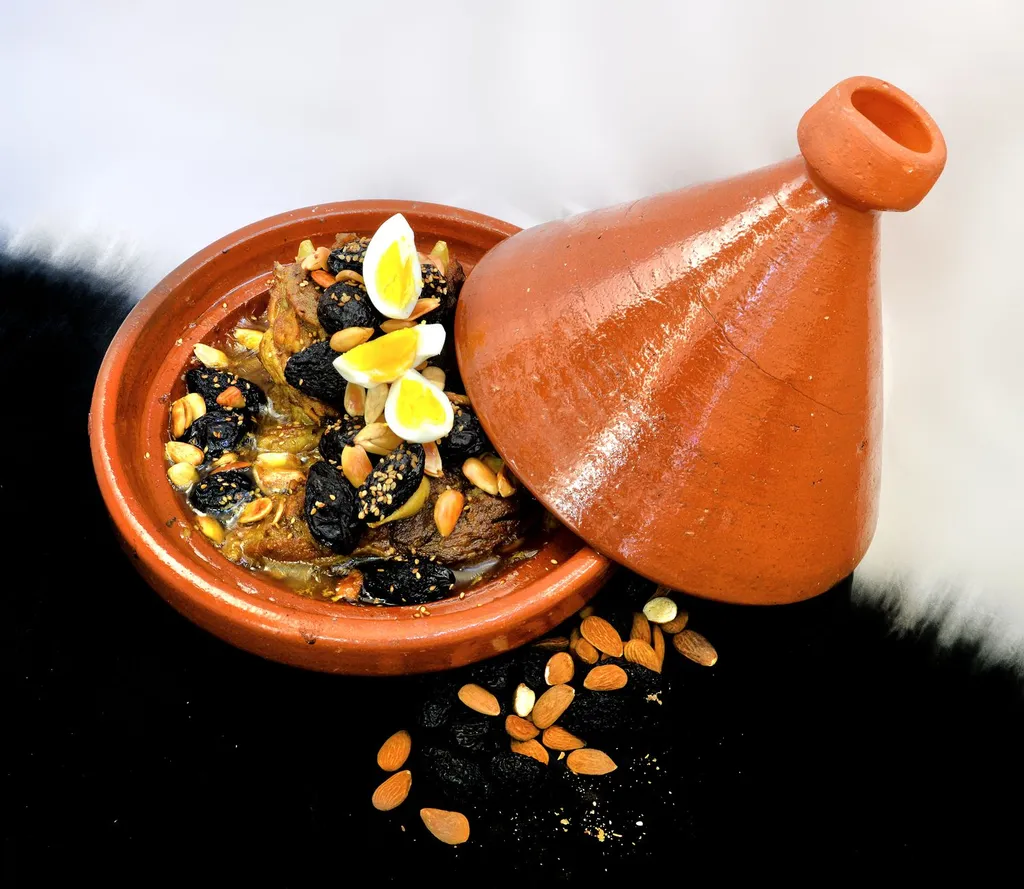
Tagine festivo de borrego tenro com ameixas secas, amêndoas tostadas, mel e canela. O agridoce das grandes celebrações marroquinas.
Almôndegas de kefta em molho de tomate apurado com ovos no ponto. O prato de conforto marroquino mais rápido e irresistível.
Filetes de peixe marinados em chermoula, assados sobre tomate e pimentos. Frescura vibrante da costa atlântica marroquina.
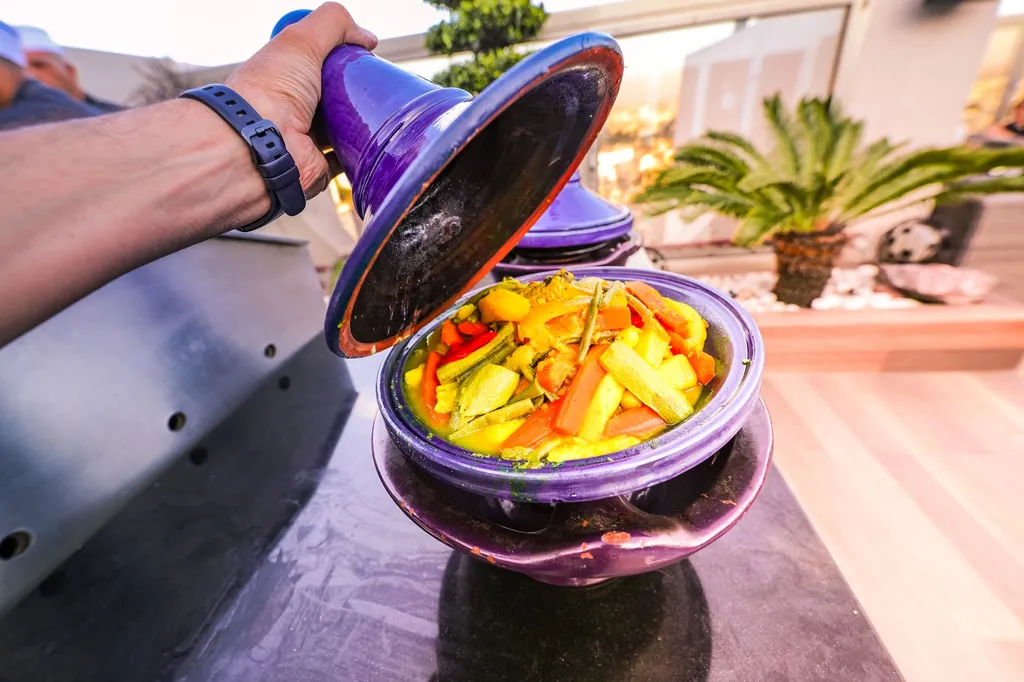
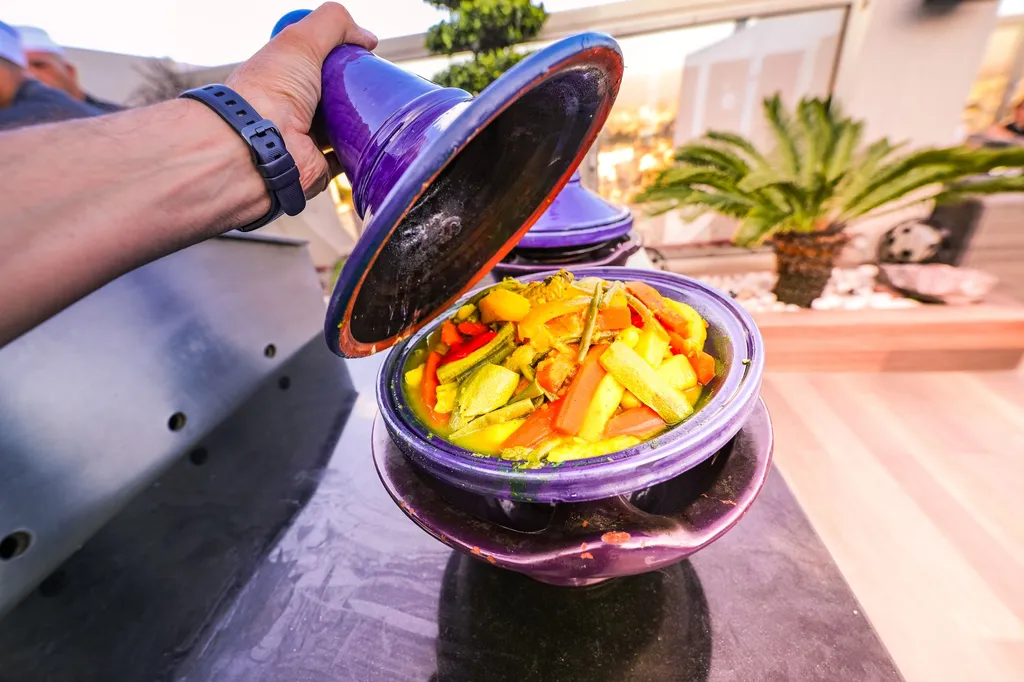
Tagine de legumes perfumado com grão-de-bico, damascos e especiarias quentes. Uma festa vegetal reconfortante e aromática.
Empada marroquina festiva em massa warqa estaladiça, com frango especiado, ovos, amêndoas tostadas, canela e açúcar em pó.
Guias e histórias sobre culinária marroquina
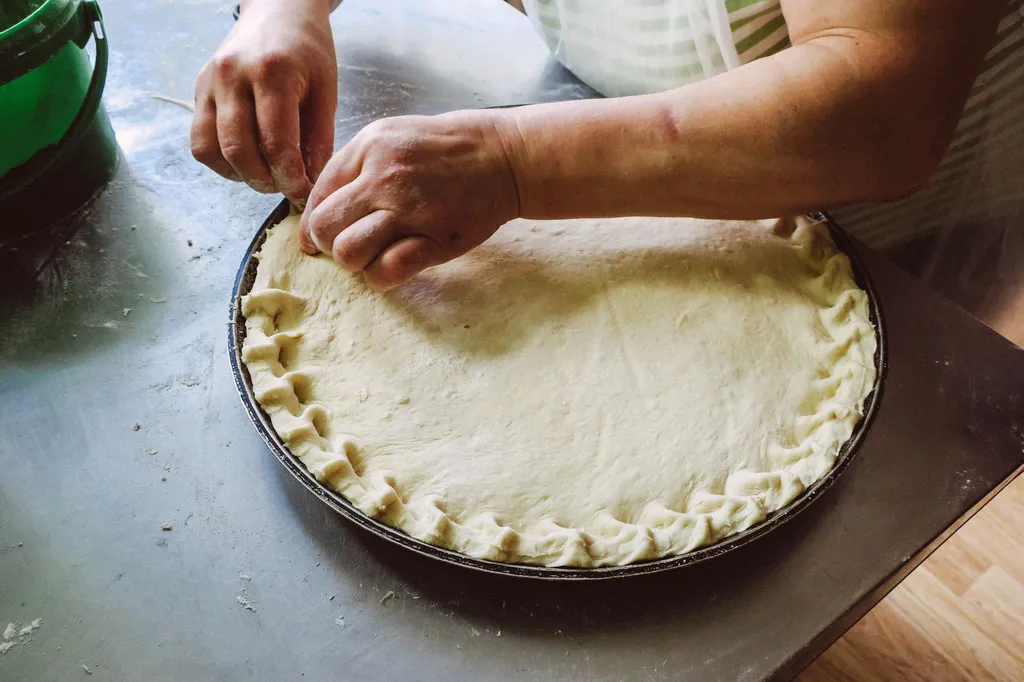
Do mercado de quinta-feira ao último copo de chá: a ordem de trabalho que uso para servir um almoço marroquino para oito pessoas sem perder a calma.
Como reduzir tagine, cuscuz, harira e pão para uma só pessoa sem perder sabor — quantidades mínimas, panelas certas e o que vale a pena congelar.
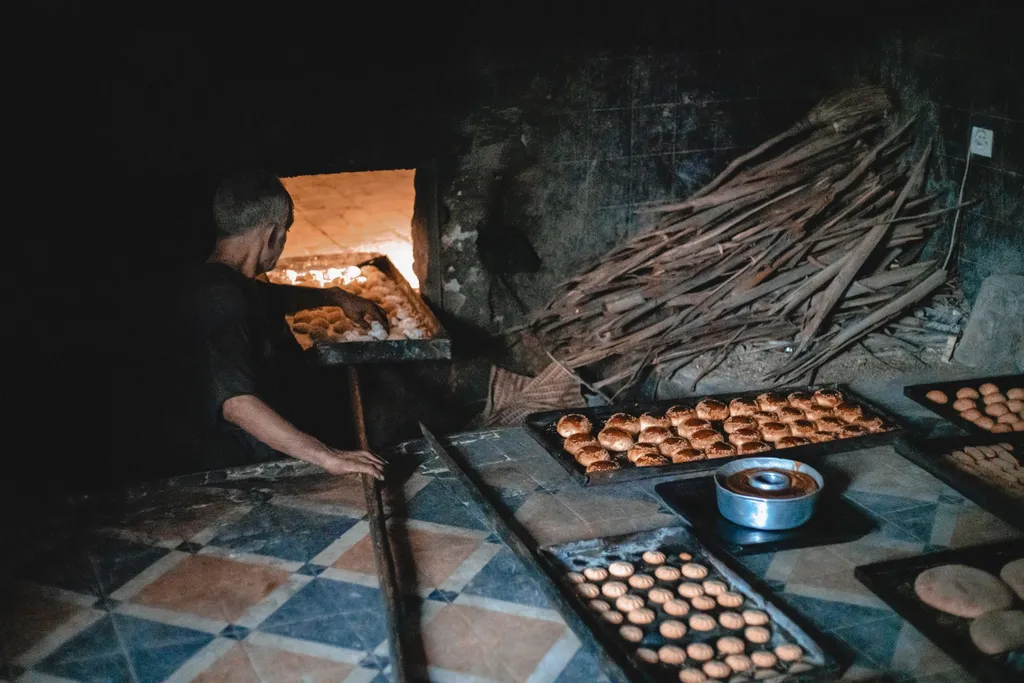
Um ano de pão marroquino mês a mês: o que a chapa e o forno pedem em cada estação, com ajustes de água, fermentação e conservação.
Sobre o Sweet4All
Sou o Azmi Mhamed e acredito que cozinhar é um ato de amor. Vivo em Meknès, Marrocos, e partilho as receitas que fazem parte da minha família há gerações — o tagine de borrego que o meu tio cozinhava em cada Eid, o msemen que a minha avó fazia todas as quintas-feiras, a chermoula que aprendi com a mulher de um pescador em Essaouira.
As receitas do Sweet4All são desenvolvidas e testadas novamente na minha cozinha antes de chegarem à sua. Documento o que funciona, o que não funciona e os pequenos detalhes que fazem a diferença entre um bom prato e um prato extraordinário.
A culinária marroquina situa-se na encruzilhada das tradições culinárias amazigh, árabe, andaluza e francesa. É uma culinária construída sobre a paciência, a sobreposição de sabores e a crença de que a comida é feita para ser partilhada.
Açafrão, cominhos, canela e ras el hanout criam camadas de sabor que nenhuma outra culinária consegue igualar.
O tagine ensina a paciência. lume brando, tampa bem fechada e tempo — esse é o segredo de pratos tenros e profundamente saborosos.
As refeições marroquinas são partilhadas a partir de um único prato, comidas com pão — um ato de união e confiança.
Legumes de raiz no inverno, ervas frescas na primavera, figos e damascos no verão — cozinhar com o que a terra oferece.
Explore a nossa coleção completa de receitas marroquinas, desde refeições rápidas para dias de semana até pratos de festa para celebrações.